
The Kind of Silence That Teaches You to Ignore Your Own Emotions
What it costs to grow up without emotional language—and what becomes possible when you finally find it

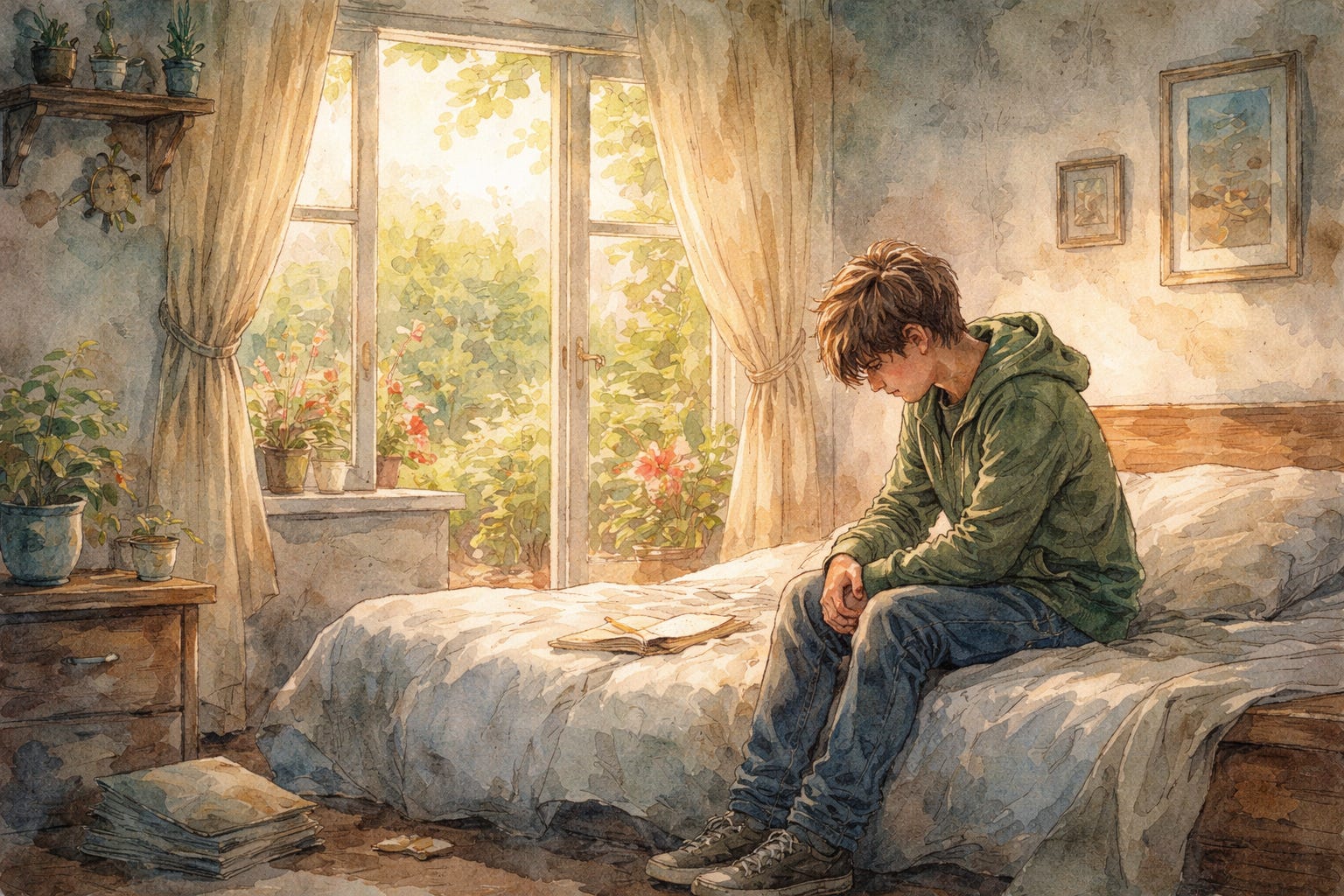
There’s a kind of silence that doesn’t sound like anything at all.
No yelling. No slammed doors. No obvious chaos. From the outside, it looks like a “good home.” But inside, something essential never gets named. Feelings happen, but they don’t get language. They don’t get witnessed. They don’t get held.
So a kid learns to carry them alone.
In a home like that, emotions become private puzzles with no instructions. You feel something big… but you don’t know what it is, what to do with it, or whether it’s even allowed. You start watching other people for clues. You study tone. You rehearse responses. You become fluent in reading the room, but not yourself.
That skill will get you through childhood.
It will cost you later.
Because when feelings aren’t talked about, they don’t disappear. They go underground. They show up sideways. In tension you can’t explain. In reactions that feel too big for the moment. In relationships where you either say nothing or everything at once, with no middle ground.
You might become the easy one. The quiet one. The “low maintenance” one.
Or the opposite. The one who finally erupts after holding too much for too long.
Either way, the message underneath is the same:
My inner world isn’t something people meet me in.
That does something to a person.
It makes you doubt your own experience. It makes you hesitate before speaking. It makes connection feel like a risk instead of a place to land. And if you’re neurodivergent, where your inner world may already feel intense or hard to translate, that silence doesn’t just neglect you. It trains you to mistrust yourself.
Sam lives with that.
He doesn’t just struggle to express what he feels. He struggles to find it. His emotions are there, but they’re overgrown, like paths in a garden no one walked for years. And when he finally starts to notice them, it’s disorienting. Like finding rooms in your own house you didn’t know existed.
That’s the damage.
Not that he feels too much.
But that no one showed him how to be with what he feels.
Here’s the part that matters, though.
Once you see it, you can’t unsee it.
That moment, when you realize, “Oh… this is the kind of home I grew up in,” can hit like grief. Because now you understand what you didn’t get. You see the conversations that never happened. The comfort that never came. The guidance that would’ve changed everything.
You don’t just feel sad.
You feel the weight of all the years you had to figure it out alone.
But that awareness also cracks something open.
Because what was invisible is now visible. And what’s visible can be worked with.
You can start small.
You can pause and ask, What am I feeling right now?
Not what should I feel. Not what makes sense. Just what’s there.
You can borrow language from others until your own voice comes back online. You can let someone safe sit with you while you fumble through it. You can write it down when speaking feels like too much. You can notice patterns. Name them. Get curious instead of critical.
You can learn, slowly, that your inner world isn’t a problem to fix.
It’s a place to get to know.
And here’s the quiet shift that changes everything:
You stop waiting for someone to give you permission to feel.
You start giving it to yourself.
That’s the opportunity.
Not to rewrite your childhood.
But to stop living by its rules.
To become the kind of person who can sit with what’s real, even when it’s messy.
To build relationships where feelings aren’t interruptions, but invitations.
To create, inside yourself and with others, the kind of space you needed all along.
Sam doesn’t become someone new.
He becomes someone who finally knows how to listen to himself.
And once that starts, the silence doesn’t disappear.
But it’s no longer empty.
It becomes something you can walk into… and not get lost.
Thanks for being you,
Brian
Step Into the Garden
If this hit close to home, you’ll recognize Sam.
Agatha’s Garden is a story about what happens when you finally slow down long enough to hear yourself… and what it takes to rebuild that relationship from the ground up.
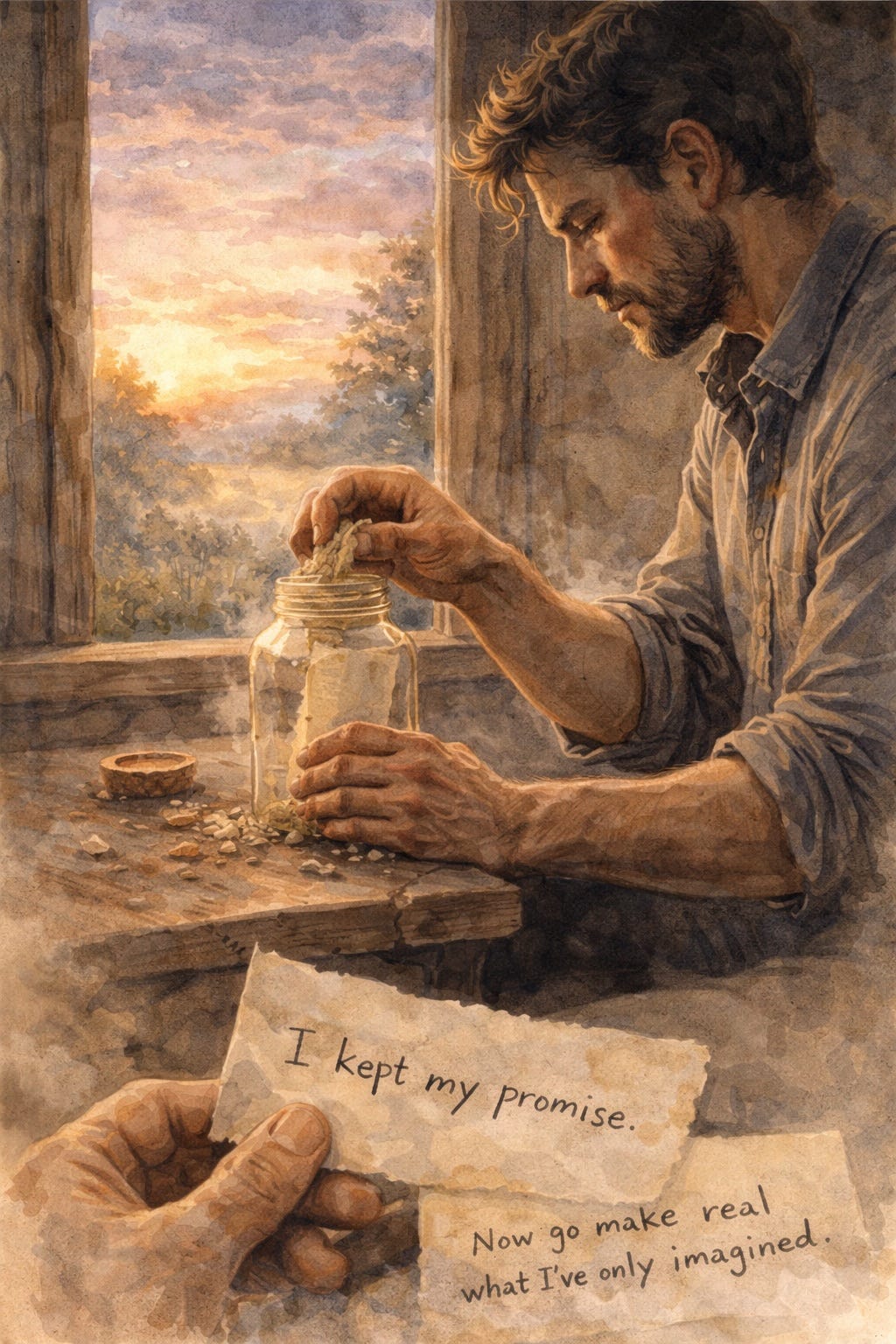
You can read Chapter 1 here:
I’ll send it straight to your inbox, along with reflections and behind-the-scenes notes from the world of the garden.
Because some stories don’t just entertain.
They help you find your way back to yourself.