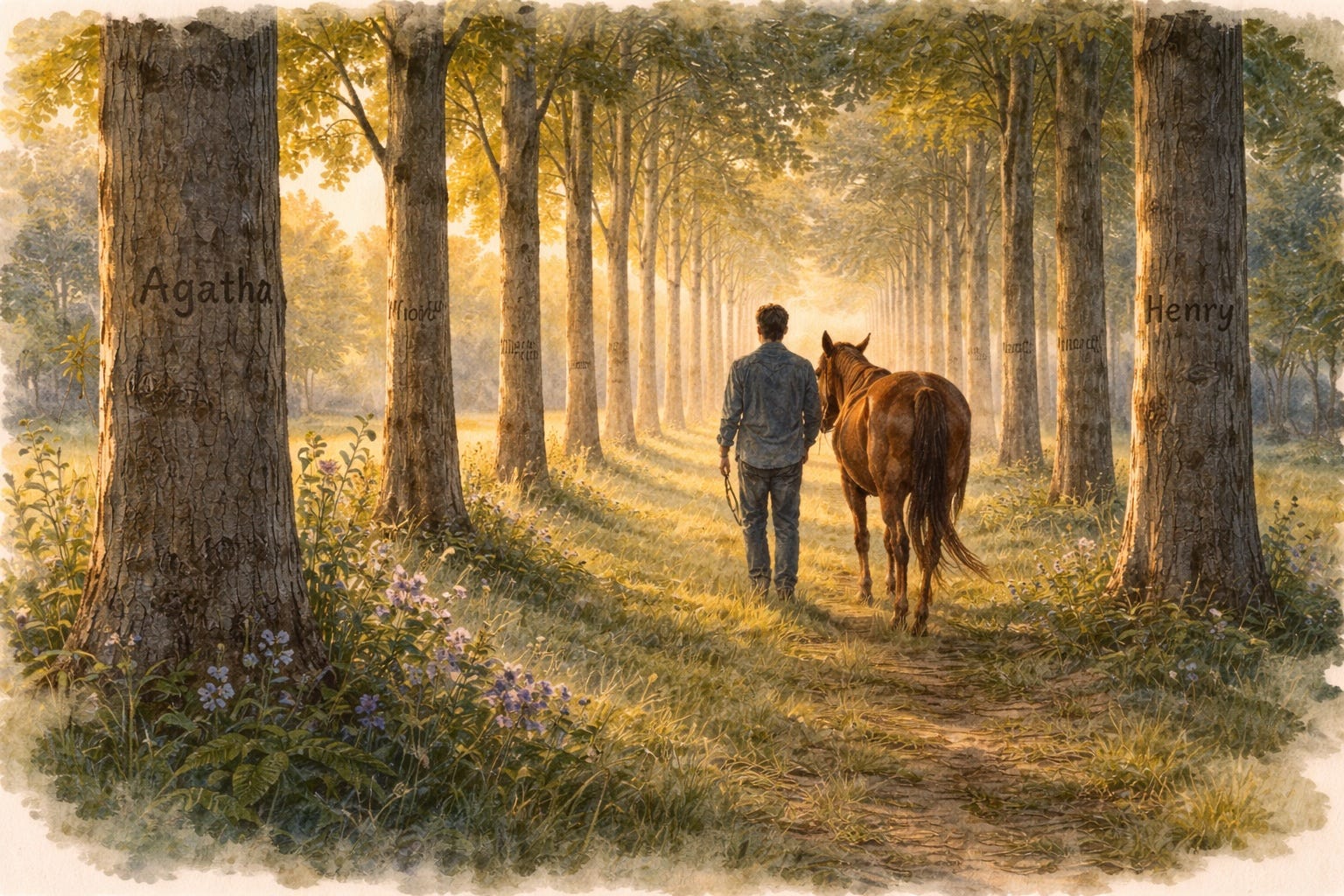
Why I Wrote Agatha's Garden 🪴
A story for the people who learned to disappear in order to survive, and are trying to find their way back

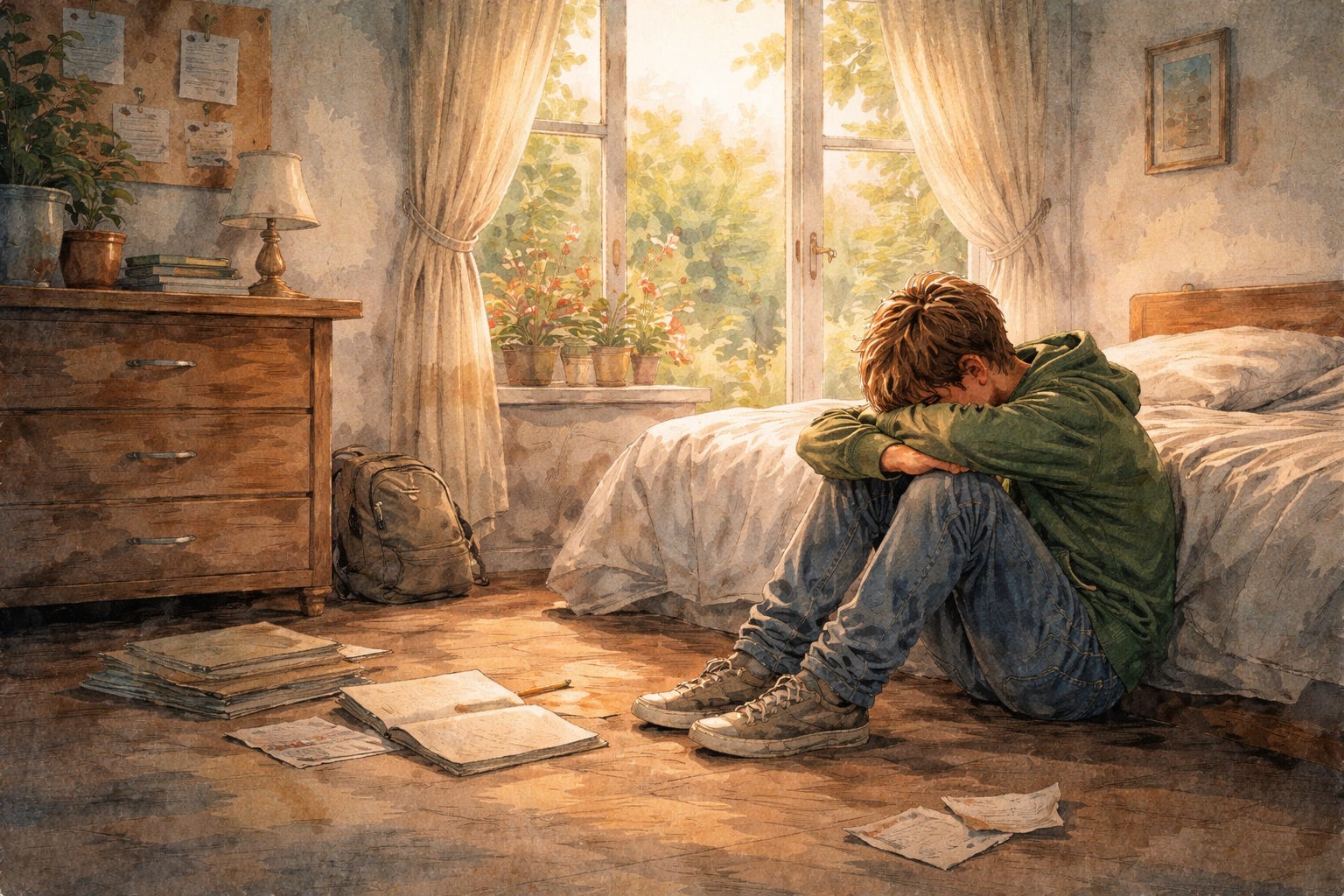
There are seasons of life where you get very good at looking fine.
You learn the lines. You study the timing. You say what keeps the room calm. You smile at the right moment. You nod like you agree. You make yourself easier to hold, easier to explain, easier to love.
And somewhere in the middle of all that effort, a quiet question starts following you around.
If I am this good at being who people need me to be, where did I go?
That question has lived with me for a long time.
It is part of why I wrote Agatha’s Garden.
Not because I had everything figured out.
Not because I came out the other side with a neat little lesson tied in ribbon.
I wrote it because some things do not loosen their grip when you ignore them. They just go underground.
And anything buried long enough starts speaking in other ways.
For some of us, it comes out as exhaustion that no amount of rest touches.
For some, it is irritability, shutdown, people-pleasing, brain fog, or the strange loneliness of being surrounded by people who think they know you.
For some, it is grief.
Not just grief over death, though that belongs here too.
I mean the grief of lost years.
The grief of having no language for your own experience.
The grief of realizing how much of your life was spent performing steadiness while something inside you was asking to be met, not managed.
I did not understand grief for a long time.
Read the first chapter of Agatha’s Garden now…
I thought grief was something you were supposed to outgrow. Something with a deadline. Something you were meant to carry with dignity until it became socially inconvenient, and then quietly put away.
But grief does not work like that.
It changes shape.
It gets quieter sometimes. Less dramatic. More woven in.
It moves from your chest to your throat. From your throat to your habits. From your habits into the way you brace before being honest.
Some days it is a flood.
Some days it is a damp heaviness in the walls.
Some days it is just the feeling that everyone else got a map for being human and you somehow missed distribution.
A lot of people know that feeling.
Especially people who are neurodivergent.
Especially people who grew up learning that acceptance was conditional.
Especially people who were told, in one way or another, to go to their room and come back only when their feelings were no longer visible.
That kind of lesson does not disappear because you become an adult.
It follows you.
It shows up when you apologize for having needs.
It shows up when you rehearse every text before sending it.
It shows up when someone asks how you are and you give them the polished version because the real answer feels too costly.
Too many of us were taught that belonging required self-erasure.
Stay calm.
Stay pleasant.
Stay quiet.
Get control of yourself.
Do not make this harder for other people.
Those messages settle deep. They become family rules, workplace rules, relationship rules. They get passed down like an inheritance nobody remembers agreeing to.
Silence can do that.
It can start to feel noble.
Mature, even.
But silence is not always peace.
Sometimes it is just fear in good manners.
I wrote Agatha’s Garden because I wanted to tell the truth about that.
I wanted to write a story for the people who have spent years carrying unnamed things.
Not brokenness.
Not failure.
Just experience without language.
There is a special kind of loneliness in living something you cannot describe.
You know it matters.
You know it is shaping you.
But without words, it stays foggy. And when something stays foggy for too long, a lot of people assume the problem is them.
I wanted to give some of that fog a voice.
The garden became the right place to do it.
Because nature does not panic about timing the way people do.
Nothing in a garden is shamed for going dormant.
Nothing is called lazy because growth is happening out of sight.
No one kneels beside a patch of winter soil and says, “Well, clearly this has no potential.”
A garden understands what people rush past.
It understands waiting.
It understands cycles.
It understands that what looks like stillness may actually be the most important work in the whole process.
That mattered to me because so many people, especially neurodivergent people, live with the feeling of being behind.
Behind socially.
Behind emotionally.
Behind professionally.
Behind on some invisible schedule everyone else seems to have memorized.
But a life is not late just because it is unfolding differently.
That is something I needed to remember too.
Because I did not write this story from some safe hilltop of completion.
I wrote it as someone still learning.
Still grieving.
Still noticing where I disappear.
Still trying to come back.
That may be the most honest reason of all.
I needed this story too.
Not as the author.
As a person.
As someone still figuring out what it means to stop performing wellness and start practicing truth.
As someone learning that healing is not becoming a different person. It is grieving what it cost to survive, while slowly making room for your actual self to return.
One piece at a time.
One honest moment at a time.
One less apology for existing at a time.
That is the journey inside Agatha’s Garden.
It is not a story that tries to fix grief.
It does not rush pain toward redemption so everybody can feel better by page three.
It sits down beside what hurts. It listens. It notices what has gone quiet for too long.
And in doing that, it offers something many people have been denied.
Not correction.
Recognition.
I believe people do not need to be fixed to belong.
They need to be understood.
Sometimes a story is the first place that happens.
Sometimes fiction is where a person finally hears the truth in a voice gentle enough to let it in.
If this story reaches anyone, I hope it reaches the person who has spent years feeling like a role in their own life.
The person carrying grief that never fully left, only changed rooms.
The person who learned to stay quiet when it mattered most.
The person who suspects they were never the problem, but has not quite known how to trust that yet.
I hope it meets them without demanding anything.
Just a pause.
Just a breath.
Just enough room to feel less alone.
If there is one small place to begin, maybe it is this.
Notice what you have been calling failure that might actually be protection.
Notice what you have been calling weakness that might actually be grief.
Notice what in you has not died, only gone underground.
You do not have to force a bloom before its season.
What in you is asking to be understood, not fixed?
If this piece met you somewhere real, I think Agatha’s Garden might too.
Thanks for being you,
Brian
Step Into the Garden
If this stirred something in you, there’s more waiting.
When you join the Agatha’s Garden email list, you won’t just get updates. You’ll get access.
Early chapters before they’re released publicly.
Behind-the-scenes reflections on how the story connects to real life.
Personal notes I don’t share anywhere else.
This isn’t just a book launch list.
It’s a space for people who are learning how to hear themselves again.
You can start here:
AgathasGarden.com
Come see what’s been waiting for you.